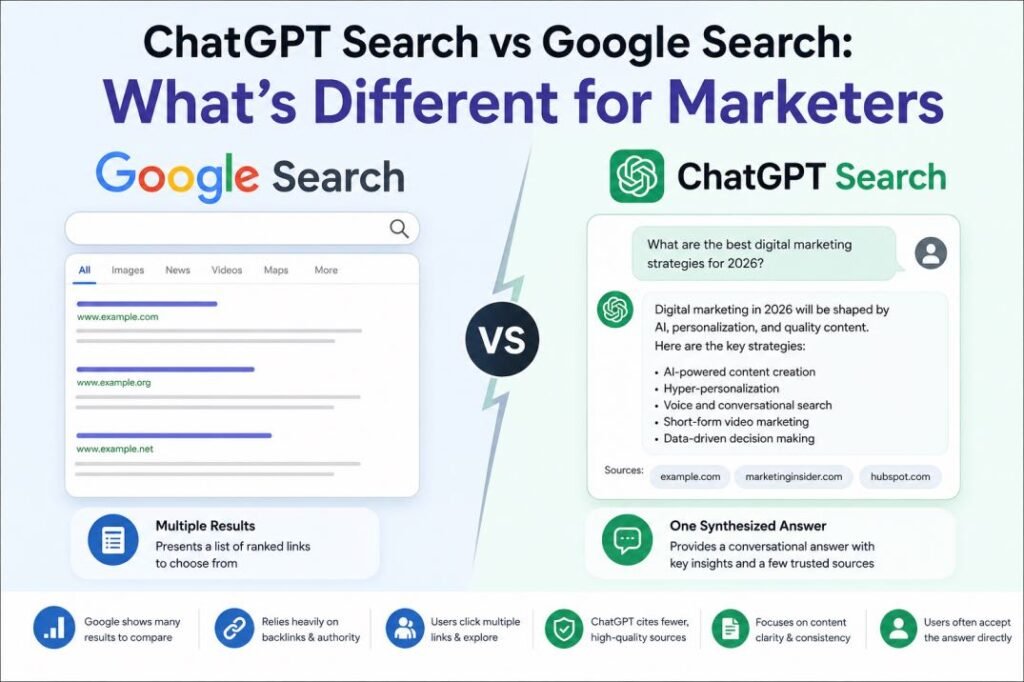
Voice search and AEO often get treated as the same thing, but they are not quite identical. While AEO broadly covers featured snippets and AI-generated answers, voice assistants like Alexa and Siri have their own specific behaviours worth understanding separately.
How Voice Search Differs From Text-Based AEO
Voice assistants typically read out a single answer aloud, with no visual list of alternatives the way a search results page offers. This makes winning the one answer spot even more valuable, since there is effectively no “second place” in a voice response.
What Voice Assistants Prioritize
- Concise, conversational answers that sound natural when read aloud
- Local business information, since a large share of voice searches carry local intent
- Structured data, particularly for local businesses, FAQs, and how-to content
- Fast-loading, mobile-friendly pages, since many voice searches originate from mobile devices
Want to check your local business’s voice search readiness? SoftMantra’s SEO consulting team can assess this.
How to Optimize for Voice Search Specifically
Write for How People Actually Speak
Voice queries tend to be longer and more conversational than typed searches – optimize content around natural, spoken phrasing, not just short keyword phrases.
Prioritize Local SEO Fundamentals
Accurate Google Business Profile information remains one of the strongest signals for winning local voice search results.
Keep Answers Genuinely Concise
A voice assistant will not read a lengthy paragraph aloud – keep the core answer short and complete, with supporting detail available for those who click through.
Need your content restructured for natural, voice-friendly phrasing? Our content marketing team can help.
Common Voice Search Mistakes
- Writing only for typed, short-tail keywords while ignoring conversational phrasing
- Weak or inconsistent local business information
- No structured data supporting FAQ or local business content
How to Measure Voice Search Performance
Direct voice search tracking remains limited, but monitoring featured snippet wins, local pack visibility, and long-tail conversational keyword rankings offers a reasonable proxy for voice search readiness.
Why Voice Search Deserves Specific Attention
Treating voice search as identical to general AEO misses some genuinely specific opportunities, particularly for local businesses. SoftMantra factors these specific considerations into our broader AEO and local SEO work, drawing on 15+ years of experience from our Delhi NCR base.
Frequently Asked Questions
Q: Is voice search optimization the same as AEO?
They overlap significantly, but voice search has some specific considerations, particularly around local intent and conversational phrasing, that general AEO does not always emphasize equally.
Q: Do local businesses benefit most from voice search optimization?
Yes, a large share of voice searches carry local intent, making this an especially valuable focus area for local and service-based businesses.
Q: How can I test if my content performs well for voice search?
Ask relevant questions directly to Alexa, Siri, or Google Assistant and note whether and how your business or content gets referenced in the spoken response.
Q: Does structured data really help voice search results?
Yes, particularly FAQ, HowTo, and local business schema, which help voice assistants extract clear, accurate answers to read aloud.
Q: Is voice search growing or shrinking as a search method?
Voice search usage continues to grow steadily, particularly for quick, local, and hands-free queries, making it worth ongoing attention rather than a passing trend.
Voice search rewards businesses that think beyond typed keywords toward how people naturally speak and ask questions. Talk to SoftMantra about optimizing your content for voice search.